
«Best pills for erection»: what it is and what your next step should be
Erectile dysfunction (ED) — difficulty achieving or maintaining an erection firm enough for sexual activity — is common and treatable. Many men search for the “best pills for erection” after one or several unsatisfactory experiences. The right solution depends on your symptoms, overall health, medications, and expectations. Below is a step-by-step guide to help you understand what might be happening and what to do next.
Disclaimer: This article is for informational purposes only and does not replace medical advice. Do not start or change any medication without consulting a qualified healthcare professional. If you have chest pain, severe symptoms, or a medical emergency, seek immediate care.
3 typical scenarios
Scenario 1: Occasional erection problems during stress or fatigue
Who/what is experienced: You usually have normal erections, but recently you noticed difficulties during stressful periods, lack of sleep, or after alcohol consumption.
What this might mean: This pattern often suggests situational or psychological erectile dysfunction. Stress, performance anxiety, relationship tension, and fatigue can temporarily affect blood flow and arousal. It does not necessarily indicate a chronic condition.
What a doctor usually does: A primary care physician or urologist will ask about frequency, morning erections, stress levels, alcohol intake, and mental health. Basic blood tests (glucose, lipids, testosterone) may be recommended to rule out underlying issues. Lifestyle counseling is often the first step. For more on how lifestyle affects performance, see 1 Win 315.
Scenario 2: Gradual decline in erection quality over months or years
Who/what is experienced: Erections are weaker than before, less frequent, or harder to maintain. Morning erections have decreased. You may also have high blood pressure, diabetes, or high cholesterol.
What this might mean: This can suggest vascular erectile dysfunction. ED is often an early sign of cardiovascular disease because penile arteries are smaller and show blood flow problems earlier. Hormonal imbalances (low testosterone) or medication side effects may also contribute.
What a doctor usually does: The doctor will assess cardiovascular risk, check blood pressure, order blood tests (HbA1c, lipid profile, testosterone), and review medications. In some cases, further cardiac evaluation is advised. Early detection improves outcomes not only for sexual health but also for heart health.
Scenario 3: Sudden and persistent inability to achieve erection
Who/what is experienced: You are unable to get an erection at all, including during masturbation or in the morning, and the issue appeared relatively suddenly.
What this might mean: This may indicate a more significant vascular, neurological, or hormonal issue. It could also be linked to new medications (e.g., antidepressants, antihypertensives) or major psychological stress.
What a doctor usually does: A more thorough work-up may include hormone testing, assessment for nerve damage, and possibly penile Doppler ultrasound. Medication adjustments might be considered. For additional background on medication-related ED, refer to 1 Win 421.
Decision tree: what to do next if you’re looking for the best ED pills
- If erection problems are rare and linked to stress or alcohol, then start with lifestyle changes (sleep, stress reduction, limit alcohol) and monitor for 4–6 weeks.
- If symptoms persist more than 3 months, then schedule a medical consultation for proper evaluation.
- If you have diabetes, hypertension, obesity, or smoke, then request cardiovascular screening along with ED assessment.
- If you take medications known to affect sexual function, then ask your doctor whether alternatives are possible (do not stop on your own).
- If your doctor confirms erectile dysfunction, then discuss first-line treatments such as PDE5 inhibitors (as prescribed).
- If pills are ineffective or contraindicated, then explore second-line options (devices, injections, hormone therapy, psychotherapy).
When to seek help urgently (red flags)
- Chest pain or shortness of breath during sexual activity: could indicate cardiovascular disease.
- Painful erection lasting more than 4 hours (priapism): requires emergency care to prevent permanent damage.
- Sudden loss of vision or hearing after taking an ED pill: rare but serious side effect.
- Severe penile pain, curvature, or trauma: may indicate structural injury.
Approaches to treatment/management (overview of erectile dysfunction therapy)
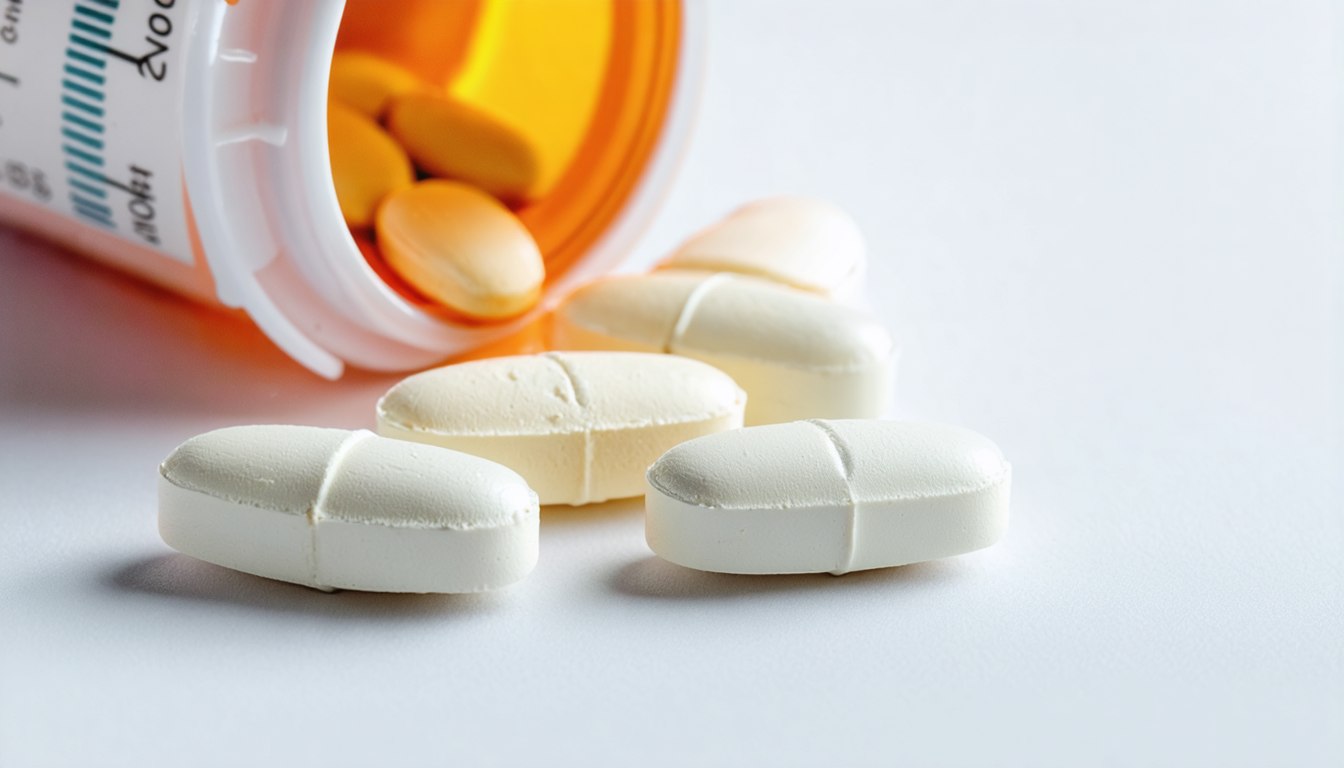
The “best pill for erection” depends on your health profile. The main medical class used worldwide is PDE5 inhibitors, which improve blood flow to the penis during sexual stimulation.
- Sildenafil (Viagra®)
- Tadalafil (Cialis®)
- Vardenafil (Levitra®)
- Avanafil (Stendra®)
These medications are effective for many men and should be used only as prescribed by a doctor, especially if you have heart disease or take nitrates.
Other options include:
- Lifestyle modification: weight loss, exercise, smoking cessation.
- Psychological counseling: for anxiety or relationship-related ED.
- Testosterone therapy: if clinically low levels are confirmed.
- Vacuum erection devices (VEDs): non-drug mechanical support.
- Penile injections or intraurethral therapy: prescribed for specific cases.
- Penile implants: surgical option for severe, treatment-resistant ED.
Combination approaches are common. For example, medication plus lifestyle improvement often yields better long-term results. A broader overview of available solutions can be found at 1 Win 487.
Prevention: how to reduce the risk of erectile dysfunction
Prevention focuses on vascular and metabolic health:
- Maintain healthy blood pressure and cholesterol.
- Control blood sugar if diabetic.
- Exercise at least 150 minutes per week.
- Maintain a healthy weight.
- Quit smoking.
- Limit alcohol intake.
- Manage stress and sleep 7–9 hours nightly.
Long-term cardiovascular care directly supports erectile health. Lifestyle-focused strategies are discussed further in 1 Win 522.
| Method | Who it suits | Limitations/Risks |
|---|---|---|
| PDE5 inhibitors (prescribed) | Most men with mild–moderate ED | Cannot be used with nitrates; possible headache, flushing |
| Lifestyle changes | All men, especially with metabolic risk factors | Requires long-term commitment |
| Psychotherapy/sex therapy | Men with anxiety-related ED | Progress may take time |
| Testosterone therapy | Men with confirmed low testosterone | Requires monitoring; not for normal levels |
| Vacuum devices | Men who cannot take oral medication | Mechanical inconvenience |
| Penile implant surgery | Severe, refractory ED | Surgical risks; irreversible |
Questions to ask your doctor
- What is the most likely cause of my erectile dysfunction?
- Do I need blood tests or heart screening?
- Which ED medication is safest for me?
- Are there interactions with my current medications?
- What side effects should I watch for?
- How long should I try a medication before reassessing?
- Would testosterone testing be appropriate?
- Can lifestyle changes improve my condition significantly?
- Should I see a cardiologist or endocrinologist?
- What are the next steps if pills don’t work?
Sources
- American Urological Association (AUA) – Erectile Dysfunction Guidelines
- European Association of Urology (EAU) – Sexual and Reproductive Health Guidelines
- National Institute of Diabetes and Digestive and Kidney Diseases (NIDDK)
- Mayo Clinic – Erectile Dysfunction Overview
- World Health Organization (WHO) – Cardiovascular Risk Factors
Bottom line: The best pills for erection are not “one-size-fits-all.” The correct next step is proper evaluation. ED is common, often treatable, and sometimes an early warning sign of other health conditions. Addressing it early improves both sexual and overall health.